
Restoring Hot Water Efficiency: Why Riverside Properties Face Frequent Water Heater Strain
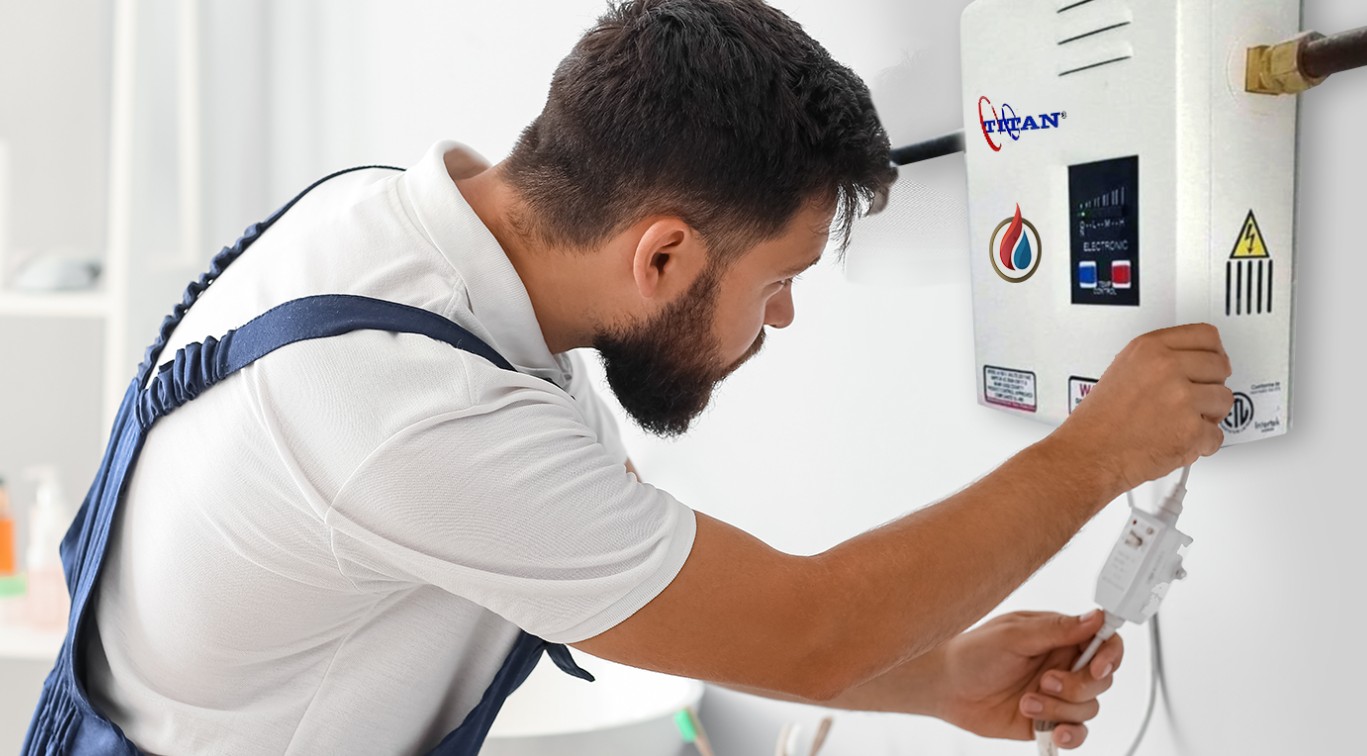
Riverside municipal water carries heavy concentrations of calcium and magnesium that settle at the bottom of storage tanks as water heats. This sediment forms a dense insulating barrier over the heating element, forcing the system to run longer and subjecting internal components to severe thermal stress.
Over time, trapped steam boiling beneath calcified crusts creates rumbling noises and fractures internal tank linings. Left unaddressed, excessive heat weakens tank welds and burns out heating elements. Regular water heater repair flushes out mineral sediment, restoring direct heat transfer and preventing early system failure.
Outdoor plumbing stations and wall-mounted mechanical setups expose complex valve networks, filtration units, and tank assemblies to varying environmental conditions. When heavy piping networks and external water conditioning tanks operate outside, small fitting leaks or mineral deposits along exposed supply lines can easily go unnoticed.
Over time, mineral buildup restricts fluid flow through narrow control valves, putting added pressure on connected heating units. Inspecting these intricate outdoor plumbing connections catches early joint corrosion and line blockages before they cause unexpected operational failures inside the home.
Why Do Temperature Fluctuations Indicate Internal System Failure?
Inconsistent delivery temperatures usually point to a failing thermostat, a fractured dip tube, or a worn-out heating element. When a dip tube cracks due to age, incoming cold water mixes directly with hot water near the top exit valve, creating lukewarm streams at household fixtures.
Additionally, aging thermostats send inaccurate signals to heating elements, causing sudden temperature drops or overheating. Replacing compromised thermostats or broken dip tubes stops erratic temperature swings. Resolving these internal mechanical failures restores precise temperature regulation and ensures steady thermal delivery across every fixture in the property.
Why Does Undetected Corrosion Threaten Home Structural Integrity?
Hot water tanks rely on an internal sacrificial anode rod to pull corrosive minerals away from the steel tank walls. Once this protective rod wears down completely, aggressive minerals turn their chemical reaction directly against the bare steel interior. Corrosion rapidly degrades the metal casing, creating micro-fissures around welded seams, inlet fittings, and drain valves. Because hot water tanks operate under continuous pressure, these small metal flaws gradually open into active leaks.
Uncontrolled tank leaks release dozens of gallons of water into utility closets, floorboards, or subfloors within minutes. Continuous water leakage saturates structural framing, warps wood flooring, and creates optimal conditions for mold colonies to spread behind finished walls. When tank corrosion reaches advanced stages, a complete water heater replacement becomes essential to prevent severe structural flooding. Timely inspection catches thin anode rods early, stopping rust cycles before metal degradation causes catastrophic property damage.
How Does Overpressurization Cause System Leaks and Ruptures?
Water expands naturally as its temperature rises, increasing thermal volume inside sealed domestic plumbing networks. The temperature and pressure relief valve serves as the primary mechanical safety device, opening to vent excess water whenever internal pressure exceeds safe operating thresholds. However, when hard water minerals crust over the relief valve mechanism, internal pressure builds up continuously inside the tank without an escape path.
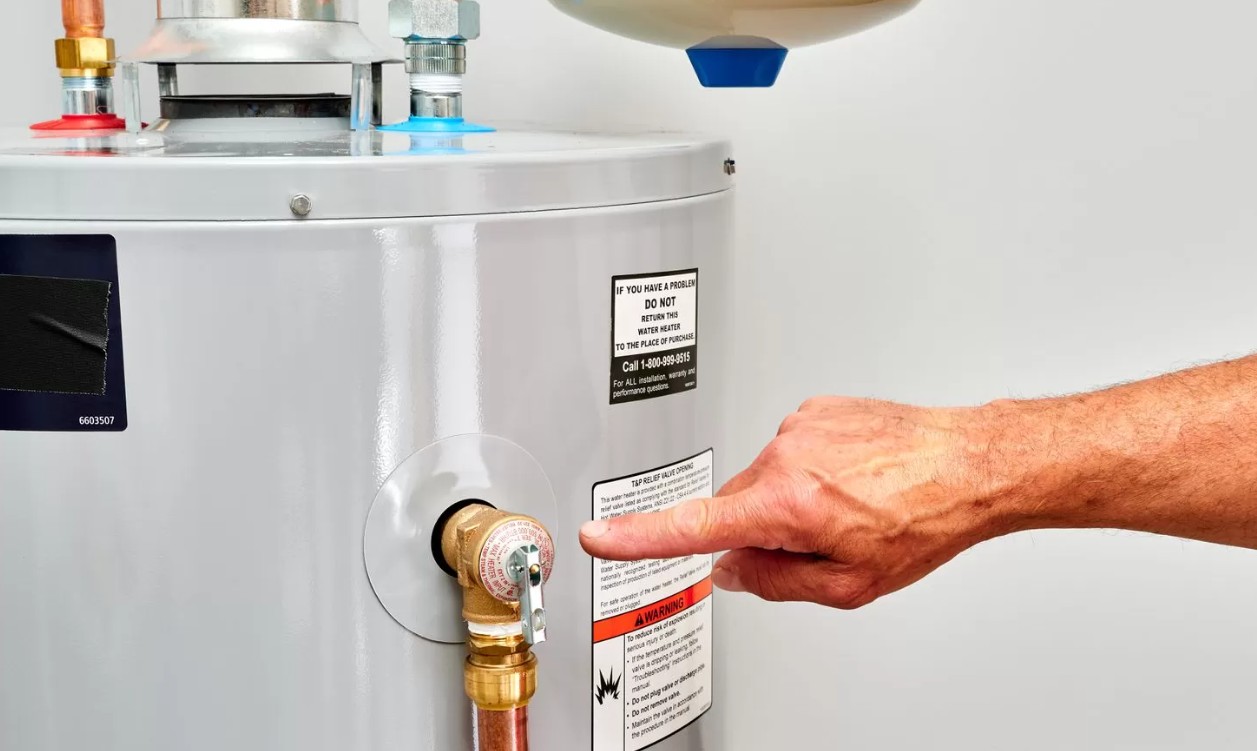
Sustained internal pressure stretches tank seams, strains joint seals, and damages copper supply lines attached to the unit. Property owners may spot water dripping around thread fittings, pooling near drain pans, or weeping along nearby pipe junctions. When pressure surges remain unmanaged, sudden joint separations occur across connected supply lines. Regular checks on relief valves and expansion tanks release dangerous internal forces, protecting surrounding piping networks from destructive pressure spikes.
Why Do Tankless Units Experience Unexpected Operational Shutdowns?
Tankless systems heat water on demand through narrow heat exchanger channels. Hard water scale rapidly coats these tight passages, restricting water flow and forcing internal heating chambers to overheat.
When internal safety sensors detect excessive heat, the system shuts down automatically to prevent core damage. This safety trip causes immediate hot water outages during household use. Routine descaling flushes out mineral buildup, restoring proper flow and preventing unexpected system shutdowns.
Elite Plumbing & Drains delivers the targeted technical expertise needed to protect Riverside properties from sudden hot water disruptions and system strain. Partnering with local specialists who evaluate every component ensures your heating equipment operates efficiently against heavy daily demands.
For Riverside property owners looking to resolve heating failures and maintain reliable hot water, contacting trusted plumbing experts is the fastest path forward. Schedule your service today to keep your hot water system performing smoothly year-round!