Sewer Backups Explained: Causes, Health Risks, and Prevention Tips
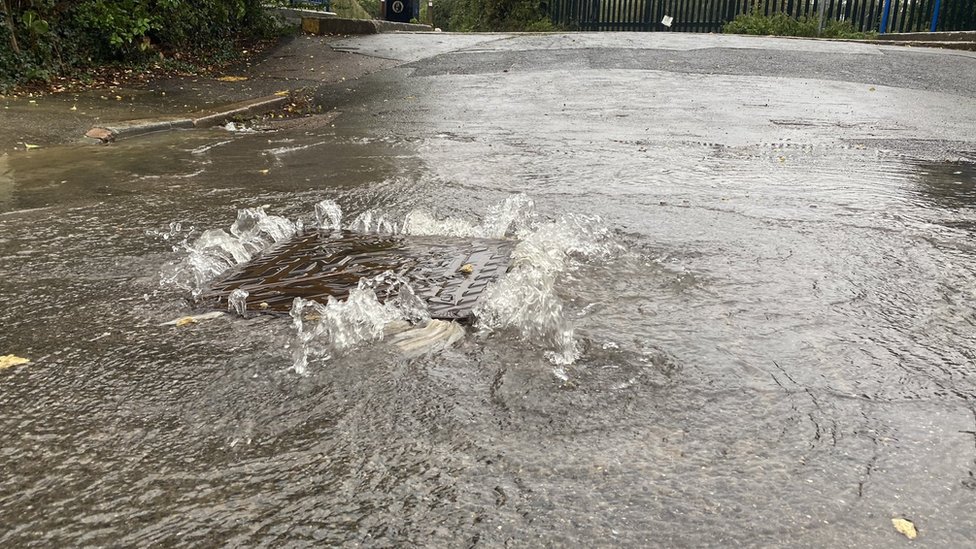
A sewer or sewage flood is one of the most serious plumbing emergencies a homeowner can face. Unlike a simple water leak, sewage backups involve contaminated wastewater that can threaten your family’s health, damage your property, and create expensive repair bills. Whether caused by clogged drains, tree root intrusion, damaged sewer lines, or heavy rainfall, a sewer backup should never be ignored.
For homeowners in Riverside, CA, understanding the dangers of sewer and sewage floods can help prevent costly damage and ensure quick action when problems arise.
What Causes Sewer Floods?
Residential sewer backups occur when wastewater cannot properly flow through the sewer system. Instead of moving away from your home, sewage reverses direction and enters sinks, tubs, showers, toilets, or floor drains.
Some of the most common causes include:
- Tree roots invading sewer pipes
- Grease and debris buildup
- Flushing non-flushable items
- Aging or damaged sewer lines
- Heavy rain is overwhelming municipal sewer systems
- Pipe collapses or blockages
Regardless of the cause, sewer backups require immediate attention to prevent further contamination and property damage.
Health Risks Associated with Sewage Exposure
One of the biggest dangers of a sewage flood is exposure to harmful bacteria, viruses, and parasites. Raw sewage contains waste materials that can carry numerous disease-causing organisms.
Direct contact with contaminated water can lead to:
- Stomach illnesses
- Skin infections
- Respiratory problems
- Eye irritation
- Allergic reactions
- Serious bacterial infections
Children, seniors, and individuals with weakened immune systems face an even greater risk of illness. Because sewage water is classified as highly contaminated, professional cleanup and sanitation are strongly recommended after any backup.
Property Damage Can Be Extensive
Sewage water spreads quickly and can penetrate many materials throughout your home. Floors, walls, furniture, and personal belongings can all be affected within a short period of time.
Common types of damage include:
Flooring Damage
Carpet, hardwood, laminate, and tile flooring may absorb contaminated water. Prolonged exposure can lead to staining, warping, and structural deterioration.
Drywall and Insulation Damage
Sewage can seep into walls and insulation, creating hidden moisture pockets that are difficult to dry completely.
Furniture and Personal Belongings
Upholstered furniture, rugs, clothing, and household items may become contaminated and require professional restoration or replacement.
The longer sewage remains in the home, the greater the damage and restoration costs become.
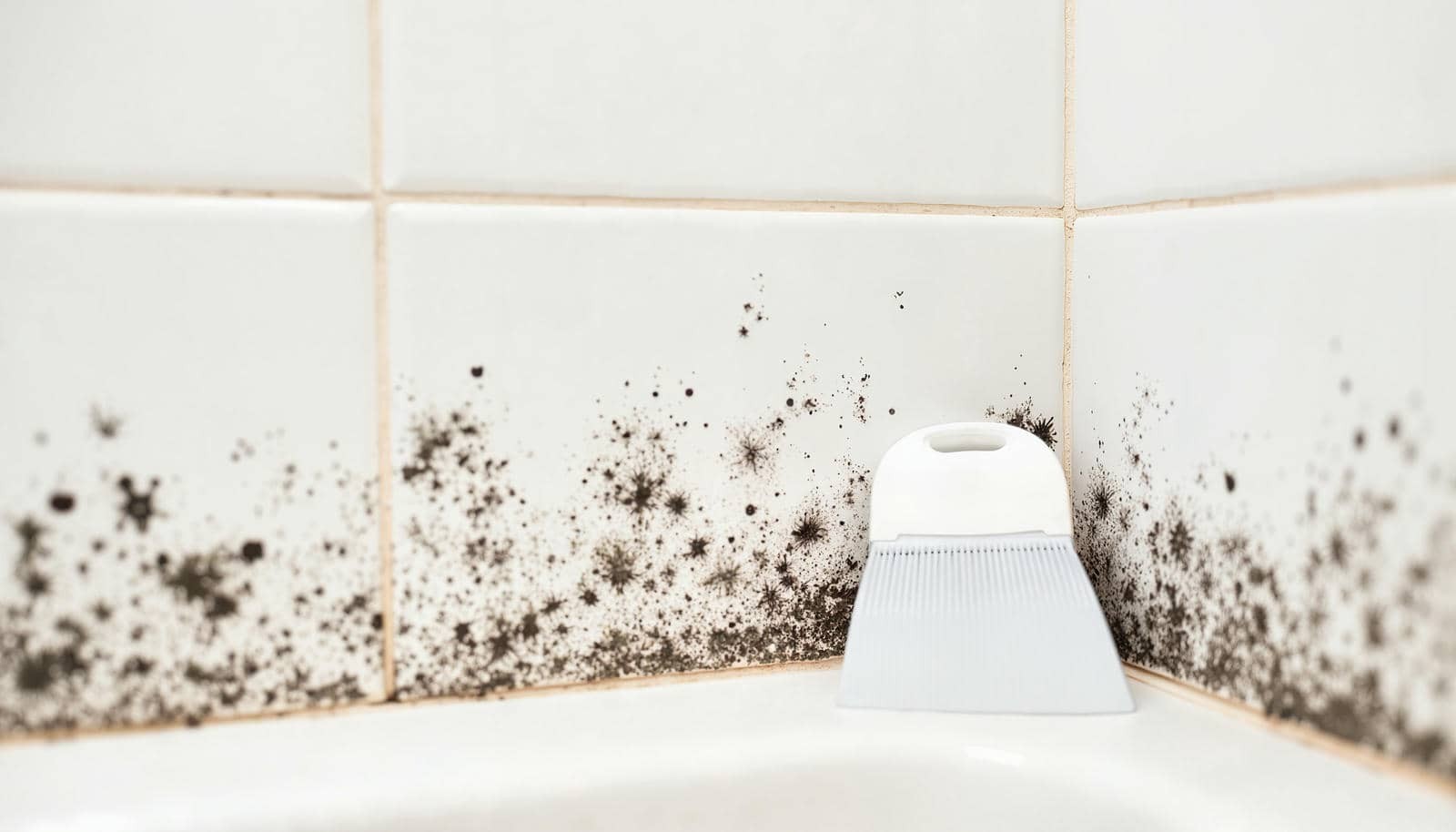
Mold Growth After a Sewage Backup
Moisture left behind by a sewer flood creates ideal conditions for mold growth. In many cases, mold can begin developing within 24 to 48 hours.
Mold can spread behind walls, under flooring, and throughout hidden areas of the home. This not only increases repair costs but may also contribute to:
- Allergy symptoms
- Respiratory irritation
- Musty odors
- Reduced indoor air quality
Proper drying and sanitation are essential to prevent mold from becoming a secondary problem after a sewage event.
Sewer Gases and Indoor Air Quality Concerns
Sewer backups can release unpleasant odors and harmful gases into your home. While the smell alone can be overwhelming, sewer gases may also contribute to headaches, nausea, dizziness, and respiratory discomfort.
Persistent sewer odors often indicate an underlying plumbing issue that should be inspected by a professional plumber. Addressing the root cause helps restore both safety and comfort inside your home.
Foundation and Landscaping Damage
Many homeowners focus on indoor damage, but sewage floods can also impact outdoor areas. Wastewater that escapes into the yard may contaminate soil, damage landscaping, and create sanitation concerns around the property.
In severe cases, excessive moisture around the foundation may contribute to soil erosion and structural concerns. Prompt repairs can help prevent long-term damage to your home’s exterior and foundation.
Warning Signs of a Potential Sewer Backup
Recognizing early warning signs can help prevent a full-scale sewage flood.
Watch for:
- Frequent drain clogs
- Multiple drains backing up simultaneously
- Slow-draining sinks or tubs
- Gurgling sounds from drains or toilets
- Sewage odors inside or outside the home
- Water backing up into tubs or showers after flushing
If you notice any of these symptoms, scheduling a professional sewer inspection can help identify problems before they become emergencies.
How Homeowners Can Reduce Their Risk
While some sewer issues are unavoidable, several preventive measures can help reduce the likelihood of a backup:
- Schedule routine sewer line inspections
- Avoid flushing wipes and hygiene products
- Properly dispose of grease and cooking oils
- Address slow drains promptly
- Remove invasive tree roots near sewer lines
- Consider sewer camera inspections for older homes
Preventive maintenance is often far less expensive than emergency sewer repairs and cleanup.
Protect Your Home from Sewer Flood Damage
Sewer and sewage floods can create serious health hazards, costly repairs, and significant disruption to daily life. Understanding the warning signs and addressing sewer problems early can help protect your family and property from unnecessary damage.
If you’re experiencing sewer line issues or want to prevent future backups, Elite Plumbing & Drains LLC provides professional sewer inspections, drain cleaning, sewer repairs, and emergency plumbing services throughout Riverside, CA. Our experienced team is committed to helping homeowners maintain safe, reliable plumbing systems and avoid the dangers of sewage flooding.